
In today's fast-paced world, customer patience is thinner than ever. Long wait times can significantly impact customer satisfaction, loyalty, and ultimately, your bottom line. Studies show that customers are willing to wait only a limited amount of time before becoming frustrated, and a negative waiting experience can drive them to competitors. In this article, we'll explore five effective strategies to reduce customer wait times and create a more positive experience for your customers.
The Impact of Wait Times on Customer Experience
Before diving into solutions, it's important to understand why wait times matter so much. Research consistently shows that waiting experiences have a profound effect on customer perceptions:
- Customers perceive wait times as 20-30% longer than they actually are
- Unexplained waits feel longer than waits with clear information
- Anxiety and boredom make wait times feel longer
- Customers who wait too long are less likely to return and more likely to share negative experiences
Understanding these psychological factors is key to implementing effective wait time reduction strategies. It's not just about making the wait shorter—it's about making the wait experience better overall.
1. Implement Virtual Queue Management
Virtual queue management systems transform the traditional waiting experience by allowing customers to join a queue without being physically present. This technology has revolutionized how businesses handle customer flow across industries.
Key Benefits:
- Mobile Check-in: Customers can join queues from their smartphones before arriving
- Real-time Updates: Automated notifications inform customers of their position and estimated wait time
- Freedom to Move: Customers can shop, dine, or relax elsewhere while waiting
- Reduced Crowding: Physical waiting areas become less congested and more comfortable

2. Optimize Staff Allocation
Efficient staff allocation is crucial for minimizing wait times. By aligning staffing levels with customer demand patterns, businesses can ensure adequate coverage during peak times while avoiding overstaffing during slower periods.
Effective Approaches:
- Data-Driven Scheduling: Use historical data to predict busy periods and schedule staff accordingly
- Cross-Training: Train employees to handle multiple roles for flexibility during unexpected surges
- Real-Time Monitoring: Implement systems to track queue lengths and deploy additional staff as needed
- Performance Metrics: Track service times and identify bottlenecks in the customer journey
Advanced queue management systems like VeloxHub by ZEOUR LTD provide real-time analytics that help managers make informed staffing decisions. By understanding service patterns and customer flow, businesses can optimize their workforce for maximum efficiency.
3. Streamline Service Processes
Often, the biggest contributor to wait times is inefficient service processes. By analyzing and optimizing each step of the customer journey, businesses can identify and eliminate unnecessary delays.
Process Optimization Techniques:
- Process Mapping: Document each step of the customer journey to identify inefficiencies
- Standardization: Create consistent procedures to reduce variability in service times
- Automation: Implement technology to automate routine tasks and data entry
- Parallel Processing: Design workflows that allow multiple tasks to occur simultaneously
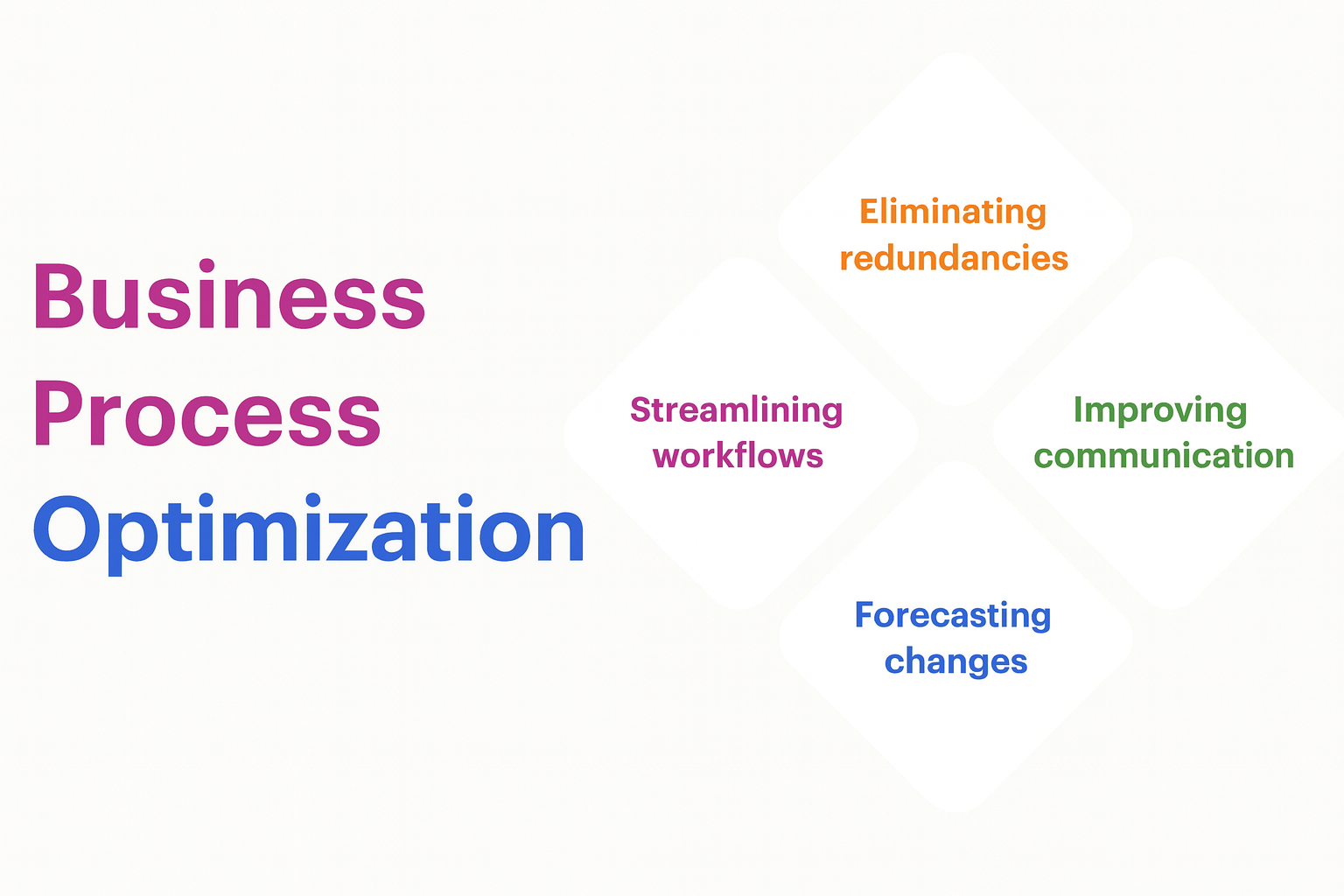
For example, a healthcare clinic might redesign their patient check-in process to allow patients to complete forms online before arrival, reducing front desk processing time by 50%. Similarly, a retail store might implement mobile payment options to speed up checkout.
4. Enhance Communication
Effective communication can significantly improve the waiting experience, even when actual wait times can't be reduced. Keeping customers informed and managing their expectations is crucial for maintaining satisfaction.
Communication Best Practices:
- Transparent Wait Time Estimates: Provide realistic wait time expectations and update them regularly
- Explain Delays: When delays occur, communicate the reason and expected resolution time
- Multiple Channels: Use digital displays, mobile apps, and verbal announcements to keep customers informed
- Progress Updates: Let customers know their position in the queue and how many people are ahead
Modern queue management systems can automate many of these communications, sending SMS or app notifications when customers are approaching their turn, reducing the need for customers to constantly check their status.
5. Improve the Waiting Environment
When physical waiting is necessary, the environment can make a significant difference in how customers perceive their wait time. A well-designed waiting area can make even longer waits feel more tolerable.
Key Environmental Elements:
- Comfortable Seating: Provide adequate, comfortable seating with different options
- Entertainment: Offer TVs, reading materials, or free Wi-Fi to keep customers engaged
- Refreshments: Provide water, coffee, or snacks when appropriate
- Children's Areas: Create dedicated spaces for children to play safely
- Ambiance: Use pleasant lighting, temperature, and background music

The goal is to create a space where customers feel comfortable and valued, rather than frustrated and neglected. Small touches like charging stations for mobile devices or complimentary refreshments can significantly improve the waiting experience.
Measuring the Impact of Wait Time Reduction
To ensure that your wait time reduction strategies are effective, it's important to measure their impact. Key metrics to track include:
- Average Wait Time: Track the time customers spend waiting before service
- Customer Satisfaction Scores: Monitor changes in satisfaction related to wait experiences
- Abandonment Rates: Measure how many customers leave without being served
- Service Efficiency: Track how many customers can be served per hour
- Revenue Impact: Assess the financial benefits of improved customer flow
Modern queue management systems provide comprehensive analytics and reporting tools that make it easy to track these metrics and demonstrate the ROI of your wait time reduction initiatives.
Challenges and Considerations
While reducing wait times is crucial, businesses may face several challenges in implementation:
Staff Resistance to Change
Employees may be resistant to new systems and processes. It's important to involve staff in the planning process, provide comprehensive training, and demonstrate how the changes will make their jobs easier and improve customer interactions.
Technology Integration
Implementing new technology can be complex and costly. Choose solutions that integrate well with your existing systems and provide adequate support during the transition period.
Managing Customer Expectations
As you improve wait times, customers may come to expect even faster service. It's important to communicate improvements while setting realistic expectations about what's possible.
Conclusion
Reducing customer wait times is not just about efficiency—it's about creating a positive customer experience that builds loyalty and drives business success. By implementing virtual queue management, optimizing staff allocation, streamlining processes, enhancing communication, and improving waiting environments, businesses can significantly reduce wait times and improve customer satisfaction.
The key is to take a holistic approach that addresses both the practical and psychological aspects of waiting. With the right strategies and tools, businesses can transform the waiting experience from a pain point into a competitive advantage.