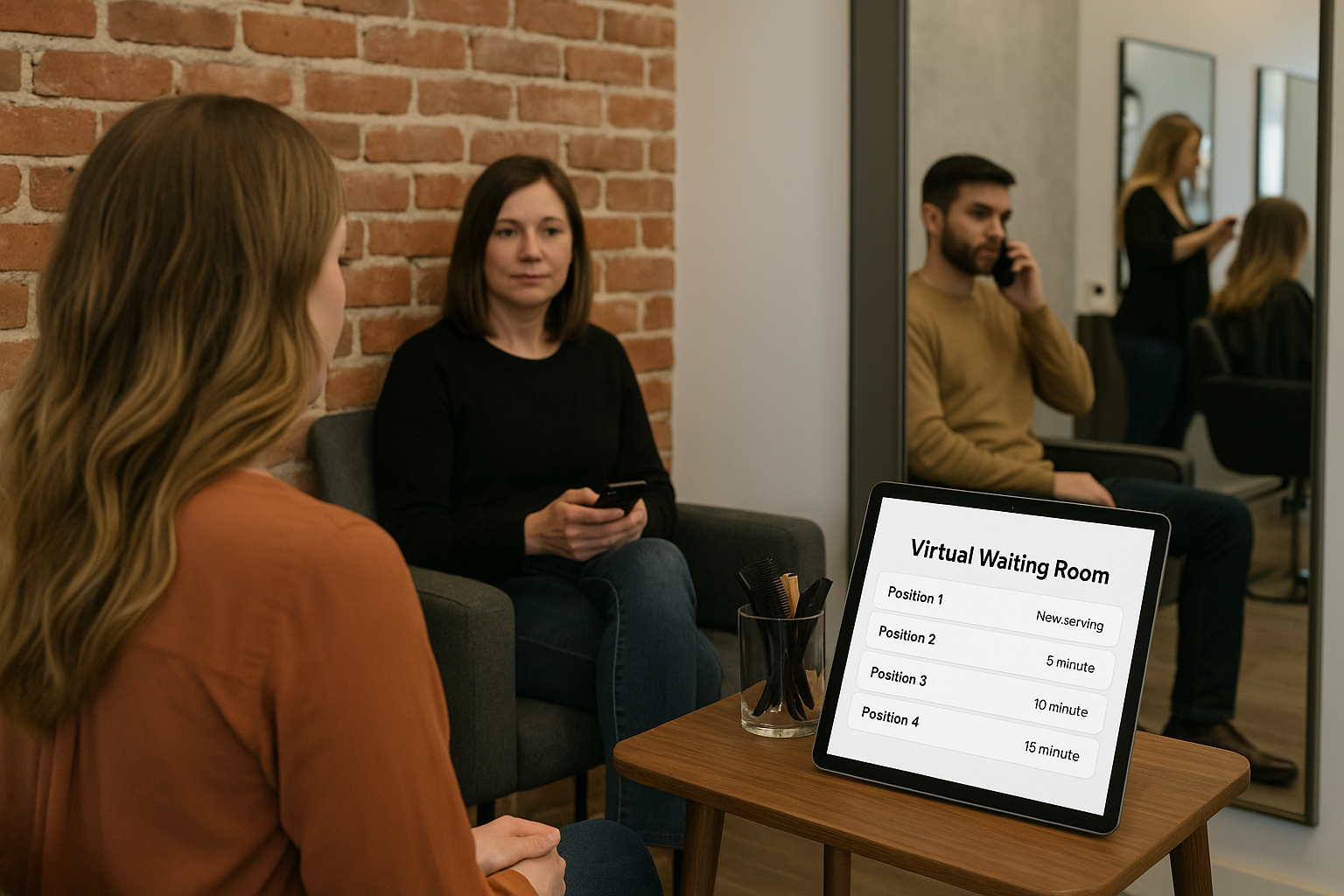
The American barbershop and salon industry is undergoing a remarkable transformation as businesses increasingly adopt virtual waiting room technology. In a post-pandemic world where convenience and safety have become paramount, these traditional establishments are reinventing the customer experience by eliminating physical waiting areas and embracing digital solutions. From bustling urban salons in New York to neighborhood barbershops in small-town America, virtual waiting rooms are becoming the new standard for service delivery.
The Evolution of Salon Waiting Experiences
For decades, the salon experience has been synonymous with waiting—flipping through magazines, sipping complimentary coffee, and engaging in casual conversation with other clients. While this social aspect has long been part of the charm, modern consumers are increasingly valuing their time and seeking more convenient alternatives. The rise of on-demand services across all industries has created new expectations that traditional salons must now address.
Virtual waiting rooms represent the next logical step in this evolution. By allowing clients to join a queue remotely and receive notifications when their stylist is ready, salons can eliminate the need for physical waiting areas while maintaining—or even enhancing—the personal connection that makes their services special. Clients can wait comfortably at home, run errands, or continue working until just minutes before their appointment, creating a win-win situation for both businesses and consumers.
How Virtual Waiting Rooms Work
Virtual waiting room systems leverage mobile technology to create a seamless queuing experience. Here's how they typically function in a salon or barbershop setting:
Digital Check-In
Upon arrival or even before coming to the salon, clients can check in using their smartphones. This can be done by scanning a QR code at the entrance, visiting the salon's website, or using a dedicated app. The system adds them to the virtual queue and provides an estimated wait time based on current appointments and walk-in traffic.
Real-Time Notifications
As clients move up in the queue, they receive automatic notifications via text message, app alert, or even phone call. These updates keep them informed about their status and provide ample notice to return to the salon when their stylist is ready. Advanced systems can even send notifications when the client is third in line, giving them time to finish what they're doing and travel back to the salon.
Seamless Integration
Modern virtual waiting systems integrate seamlessly with existing salon management software, appointment books, and staff schedules. When a stylist finishes with a client, they simply update their status in the system, which automatically notifies the next person in the virtual queue. This integration ensures smooth operations without adding significant administrative burden to salon staff.
Benefits for Salon Owners
The adoption of virtual waiting rooms offers numerous advantages for salon and barbershop owners:
Optimized Space Utilization
Without the need for large waiting areas, salons can repurpose this valuable square footage for additional service stations, retail displays, or even rent it out to complementary businesses. This optimization can significantly increase revenue per square foot, especially in high-rent urban locations where space is at a premium.
Improved Staff Efficiency
Virtual waiting systems reduce the time staff spend managing walk-in clients and updating waiting lists. Front desk personnel can focus on check-in procedures, retail sales, and customer service rather than constantly monitoring the waiting area. Stylists also benefit from a more predictable workflow, as they can see their schedule and queue status at a glance.
Valuable Business Insights
Digital queuing systems generate valuable data about customer behavior, peak times, service duration, and client preferences. Salon owners can analyze this information to optimize staffing levels, adjust pricing strategies, identify popular services, and make data-driven decisions about business operations and marketing initiatives.
Competitive Advantage
In an increasingly competitive market, offering a virtual waiting option can be a significant differentiator. Salons that adopt this technology position themselves as innovative and customer-centric, appealing to tech-savvy consumers and busy professionals who value convenience and efficiency.
Benefits for Clients
Clients also experience numerous advantages when salons implement virtual waiting rooms:
Time Freedom
The most obvious benefit for clients is the freedom to use their waiting time productively. Instead of sitting in a salon waiting area, they can work, shop, exercise, or relax at home until their appointment time approaches. This flexibility is particularly valuable for busy professionals, parents, and anyone with a packed schedule.
Enhanced Safety and Comfort
Virtual waiting reduces crowding in salons, creating a more comfortable and safer environment. This aspect became particularly important during the COVID-19 pandemic but continues to be valued by clients who prefer less crowded spaces. Additionally, clients with health concerns or compromised immune systems can access salon services with greater peace of mind.
Transparency and Predictability
Virtual waiting systems provide real-time updates on wait times and queue status, eliminating the uncertainty of traditional waiting. Clients can see exactly how many people are ahead of them and receive accurate estimates of when they'll be served, allowing them to plan their time more effectively.
Implementation Strategies
For salon owners considering the transition to virtual waiting rooms, several implementation strategies can ensure success:
Phased Rollout
Many successful salons implement virtual waiting systems gradually, starting with a pilot program for specific services or times of day. This approach allows staff to become comfortable with the new system and provides opportunities to refine processes before a full rollout. It also helps identify and address any technical issues or customer concerns on a smaller scale.
Staff Training and Buy-In
The success of any new technology depends heavily on staff adoption. Comprehensive training that emphasizes the benefits for both employees and clients is essential. Stylists and front desk personnel should understand how the system works, how to troubleshoot common issues, and how to explain the benefits to customers who may be unfamiliar with the concept.
Customer Education
Clear communication with clients is crucial when introducing virtual waiting systems. Salons should use multiple channels—including in-store signage, website information, social media, and direct communication—to explain how the new system works and highlight its benefits. Many successful implementations include special promotions or incentives for clients who try the virtual waiting option during the introductory period.
Case Studies: Success Stories
Across the United States, numerous salons and barbershops have successfully implemented virtual waiting rooms with impressive results:
Urban Salon Collective, Los Angeles
This high-end salon collective in Beverly Hills implemented virtual waiting rooms across all three of its locations. By eliminating physical waiting areas, they were able to add two additional styling stations at each location, increasing revenue by 22% without expanding their footprint. Client satisfaction scores improved by 35%, with many customers citing the convenience of virtual waiting as a key factor in their loyalty.
National Barbershop Chain, Sport Clips
Sport Clips, a national barbershop chain with over 1,800 locations, rolled out a virtual waiting system across all its stores. The implementation included a mobile app that allows clients to check wait times at nearby locations and join the queue remotely. Within six months, the chain reported a 28% increase in customer retention and a 15% reduction in no-shows, as clients could better plan their visits and receive timely reminders.
Independent Salon, The Cutting Edge, Austin
This independent salon in Austin, Texas, implemented a virtual waiting system as part of a broader digital transformation strategy. Owner Sarah Johnson reports that the system has been particularly popular with her millennial and Gen Z clients, who appreciate the tech-forward approach. The salon has seen a 40% increase in new client acquisition through word-of-mouth referrals, with many customers specifically mentioning the virtual waiting option as a reason for choosing the salon.
Overcoming Implementation Challenges
While the benefits are clear, implementing virtual waiting rooms is not without challenges. Successful salons have developed strategies to address common obstacles:
Technology Adoption
Not all clients are comfortable with new technology, particularly older demographics who may prefer traditional methods. Successful salons often maintain hybrid systems that accommodate both tech-savvy and traditional clients. Some offer assistance to help less tech-comfortable customers use the virtual system, ensuring no one is excluded from the benefits.
Initial Investment
The cost of implementing a virtual waiting system can be a barrier for smaller salons with limited budgets. However, many providers offer scalable solutions with different pricing tiers, allowing businesses to start with basic features and add more advanced functionality as they see returns on their investment. Some salons have also found success by partnering with technology providers on revenue-sharing models that reduce upfront costs.
Integration with Existing Systems
Ensuring that new virtual waiting systems integrate smoothly with existing appointment and management software can be technically challenging. Working with providers who offer robust APIs and integration support is crucial. Some salons have addressed this by choosing comprehensive management platforms that include virtual waiting as part of a broader suite of tools.
The Future of Salon Waiting
As virtual waiting rooms become more commonplace, several trends are shaping the future of this technology in the salon industry:
Enhanced Personalization
Future virtual waiting systems will increasingly leverage customer data to provide personalized experiences. This could include customized wait time estimates based on individual stylist speed, personalized service recommendations while clients wait, and tailored communication preferences based on customer profiles.
Integration with Broader Ecosystems
Virtual waiting systems will become more integrated with broader service ecosystems, connecting with parking apps to reserve spots, local businesses to offer special deals to waiting clients, and transportation services to provide convenient travel options when appointments are ready. This integration will create a seamless experience that extends beyond the salon walls.
Advanced Analytics and AI
Artificial intelligence and machine learning will enhance virtual waiting systems with predictive capabilities, more accurate wait time estimates, and automated customer service features. These technologies will help salons optimize operations, personalize marketing efforts, and identify opportunities for business growth.
Conclusion
The adoption of virtual waiting rooms represents a significant shift in the American salon and barbershop industry, driven by changing consumer expectations and technological innovation. By eliminating physical waiting areas and embracing digital solutions, these businesses are enhancing customer experience, optimizing operations, and positioning themselves for future growth.
As this technology continues to evolve and become more sophisticated, virtual waiting rooms will likely become standard features rather than competitive differentiators. For salon owners who have not yet made the transition, now is the time to explore how virtual waiting systems can benefit their business, improve customer satisfaction, and ensure long-term success in an increasingly digital world.