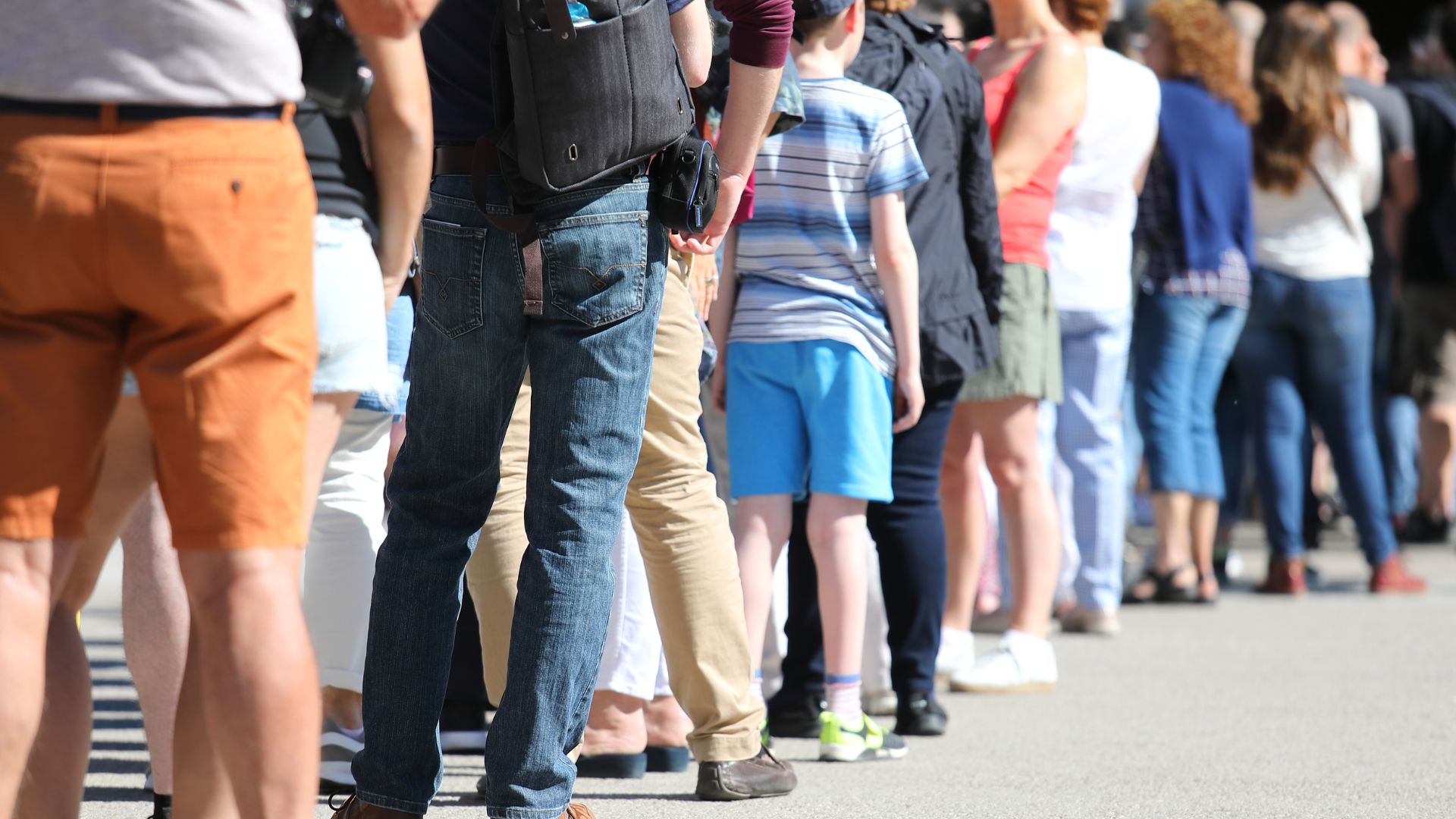
Events and exhibitions are exciting opportunities for networking, learning, and experiencing new products and services. However, managing large crowds at these events can be a significant challenge for organizers. Long lines, overcrowded spaces, and frustrated attendees can quickly turn a promising event into a disappointing experience. Fortunately, virtual queuing systems are revolutionizing how events manage crowd flow, creating more enjoyable and efficient experiences for everyone involved.
The Challenge of Event Crowd Management
Traditional event management often relies on physical queues, first-come-first-served systems, and manual crowd control. These approaches have several limitations:
- Unpredictable wait times leading to attendee frustration
- Physical congestion in high-traffic areas
- Limited visibility into queue lengths and wait times
- Difficulty in managing capacity limits for popular attractions
- Inefficient use of event staff and resources
These challenges not only impact attendee satisfaction but also affect the overall success and reputation of the event. In today's experience-driven economy, event organizers need innovative solutions to manage crowds effectively while enhancing the attendee experience.
What is a Virtual Queuing System?
A virtual queuing system is a digital solution that allows attendees to join a queue without physically standing in line. Instead of waiting in a physical space, attendees can reserve their place in line using their smartphones, event apps, or kiosks, and receive real-time updates about their position and estimated wait time.
Virtual queuing systems for events typically include features such as:
- Mobile app integration for easy queue management
- Real-time notifications about queue status
- Digital displays showing current queue information
- Analytics dashboard for event organizers
- Integration with existing event management systems
Benefits of Virtual Queuing for Events
Implementing a virtual queuing system at events and exhibitions offers numerous benefits for both organizers and attendees:
For Attendees
- Freedom to Explore: Instead of standing in line, attendees can explore other areas of the event, visit exhibits, or attend sessions while waiting for their turn.
- Reduced Physical Fatigue: Virtual queuing eliminates the need to stand for long periods, making events more accessible and comfortable for all attendees.
- Transparent Wait Times: Real-time updates provide accurate information about wait times, reducing uncertainty and frustration.
- Improved Experience: Overall satisfaction increases as attendees can make the most of their time at the event.
- Personalized Notifications: Attendees receive notifications directly to their devices, ensuring they don't miss their turn.
For Event Organizers
- Better Crowd Control: Virtual queues help distribute attendees more evenly throughout the event space, reducing congestion in high-traffic areas.
- Data-Driven Insights: Analytics provide valuable information about attendee behavior, popular attractions, and peak times.
- Resource Optimization: Staff can be allocated more efficiently based on real-time queue data and predictions.
- Enhanced Safety: Virtual queuing helps maintain social distancing and manage capacity limits more effectively.
- Improved Reputation: Events known for efficient crowd management attract more attendees and positive reviews.
Implementation Strategies for Virtual Queuing at Events
Successfully implementing a virtual queuing system requires careful planning and execution. Here are key strategies to consider:
Pre-Event Planning
- Identify high-traffic areas and attractions that would benefit most from virtual queuing
- Choose the right technology platform that integrates with your existing event management system
- Develop a clear communication plan to inform attendees about the virtual queuing system
- Train staff on how to manage and monitor the virtual queuing system
- Create signage and instructions to guide attendees on how to use the system
During the Event
- Have dedicated staff or volunteers available to assist attendees with using the virtual queuing system
- Monitor queue lengths and wait times in real-time to identify and address potential bottlenecks
- Use digital displays throughout the venue to show queue status and information
- Collect feedback from attendees about their experience with the virtual queuing system
- Be prepared to make adjustments to queue management based on real-time data and attendee flow
Real-World Applications and Success Stories
Virtual queuing systems have been successfully implemented at various types of events and exhibitions:
Trade Shows and Exhibitions
At large trade shows, popular exhibition booths often have long waiting times. Virtual queuing allows attendees to join a queue for specific booths or presentations and receive notifications when it's their turn, enabling them to explore other areas of the exhibition in the meantime.

Conferences and Seminars
For conferences with limited seating for popular sessions or networking opportunities with keynote speakers, virtual queuing ensures fair access while allowing attendees to participate in other activities while waiting.
Festivals and Cultural Events
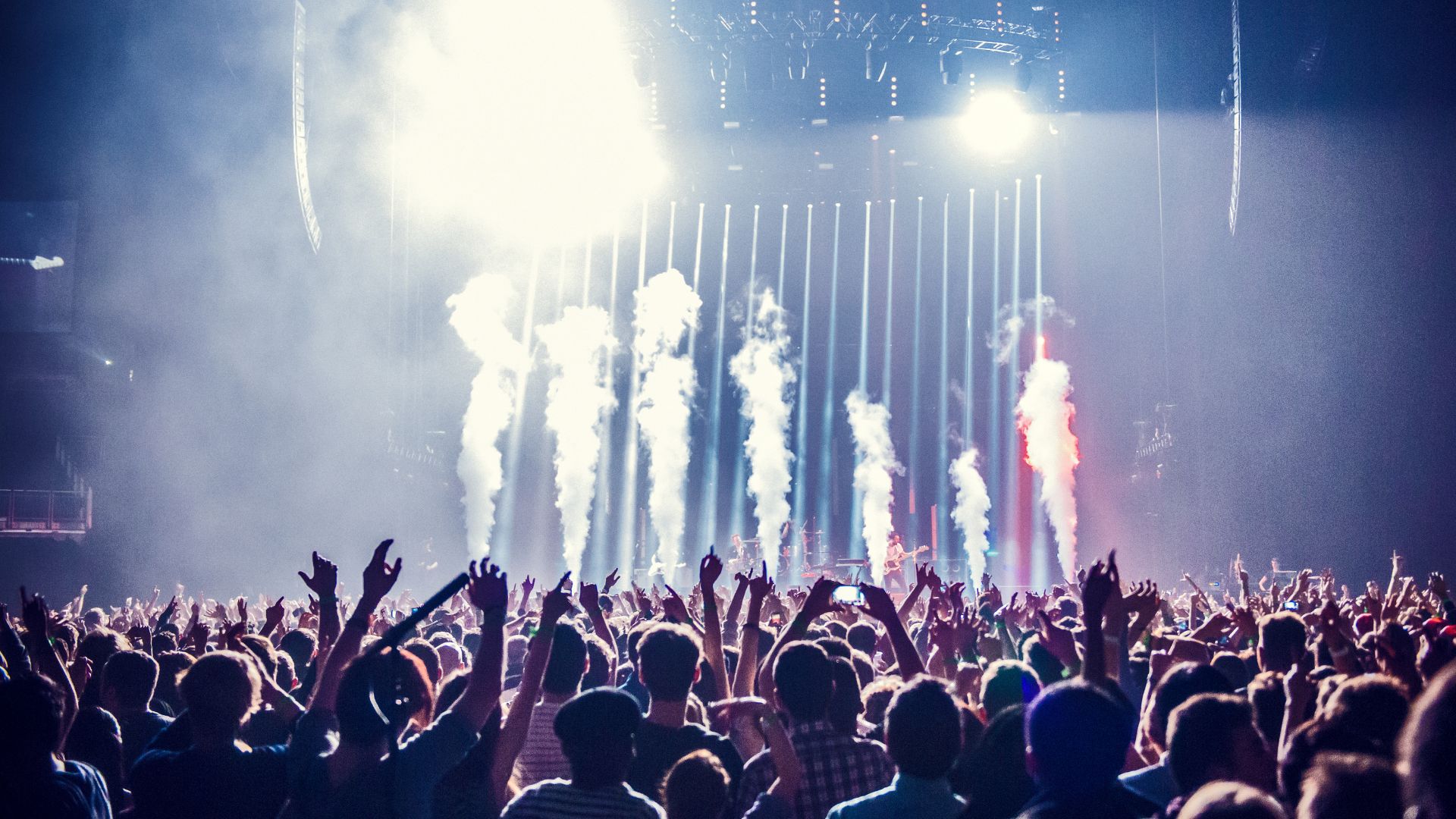
Music festivals and cultural events often have multiple attractions with capacity limits. Virtual queuing systems help manage access to popular stages, food vendors, and merchandise booths, creating a more enjoyable experience for festival-goers.
Future Trends in Event Queuing Technology
As technology continues to evolve, virtual queuing systems for events are becoming more sophisticated and integrated with other event technologies:
AI-Powered Predictions
Artificial intelligence is being used to predict queue lengths and wait times based on historical data, current attendance, and other factors. This allows event organizers to proactively manage crowds and allocate resources more efficiently.
IoT Integration
Internet of Things (IoT) sensors can provide real-time data on crowd density, movement patterns, and queue lengths, enabling more dynamic and responsive queue management.
Wearable Technology
Event-specific wearable devices, such as RFID wristbands or smart badges, can be integrated with virtual queuing systems to provide seamless queue management and personalized experiences for attendees.
The Bottom Line
Virtual queuing systems are transforming how events and exhibitions manage large crowds, creating more enjoyable and efficient experiences for attendees while providing valuable insights for organizers. As technology continues to advance, these systems will become even more sophisticated and integral to successful event management.
For event organizers looking to enhance attendee satisfaction, improve operational efficiency, and gain a competitive edge, implementing a virtual queuing system is no longer a luxury—it's a necessity in today's experience-driven event landscape.
Conclusion
Managing large crowds at events and exhibitions doesn't have to be a chaotic and frustrating experience. Virtual queuing systems offer a modern, efficient solution that benefits both attendees and organizers. By allowing people to join queues virtually and receive real-time updates, these systems transform the event experience, making it more enjoyable and productive for everyone involved.
As we've seen, the benefits of virtual queuing extend beyond just reducing wait times. They provide valuable data insights, improve resource allocation, enhance safety, and ultimately contribute to the success and reputation of events. With the continued advancement of technology, virtual queuing systems will only become more sophisticated and integral to event management strategies.
For event organizers looking to stay ahead of the curve and deliver exceptional experiences, investing in a virtual queuing system is a strategic decision that will pay dividends in attendee satisfaction and operational efficiency. The future of event crowd management is here, and it's virtual.