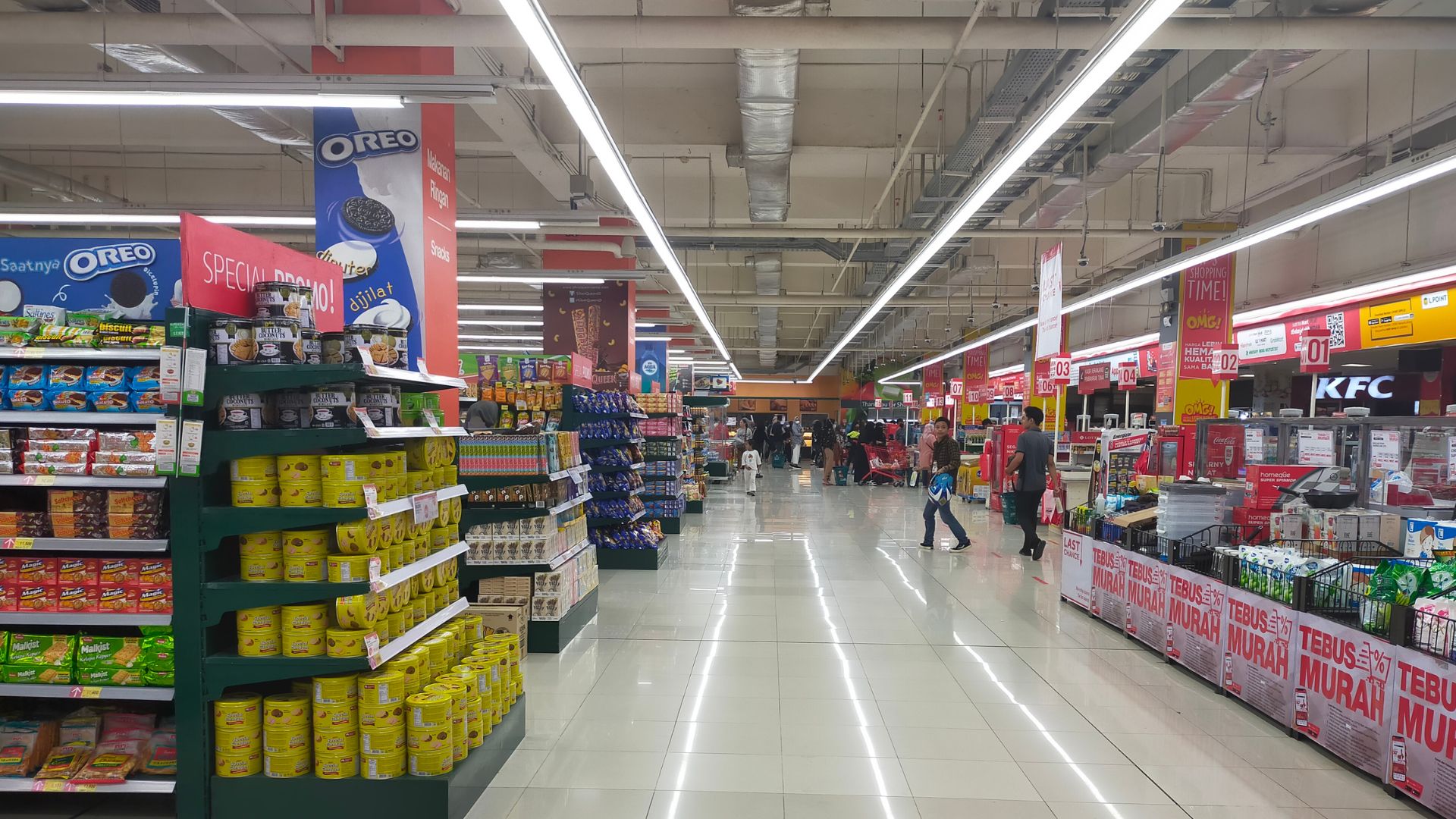
Long checkout lines and crowded aisles have long been the bane of retail shopping experiences. In today's fast-paced world, customers expect convenience, speed, and efficiency—yet many retail shops still struggle with outdated queuing systems that lead to frustrated customers, lost sales, and operational inefficiencies. Virtual queuing systems are emerging as the solution, transforming how retail shops manage customer flow and deliver exceptional shopping experiences.
The Retail Challenge
Retail environments face unique queuing challenges that impact both customers and businesses:
- Peak hour congestion leading to long wait times
- Abandoned purchases due to checkout frustration
- Inconsistent customer service during busy periods
- Difficulty managing multiple service points (checkout, returns, customer service)
- Limited visibility into queue lengths and wait times
How Virtual Queuing Transforms Retail
Virtual queuing systems designed for retail environments address the unique needs of shopping establishments through innovative features:
Multi-Channel Queue Joining
Customers can join virtual queues through their preferred method:
- QR codes placed strategically throughout the store
- Mobile app with store-specific queue management
- SMS-based queue joining for quick access
- In-store kiosks with intuitive interfaces
Real-Time Queue Management
Advanced systems provide:
- Live wait time estimates and position tracking
- Automatic queue balancing across multiple service points
- Priority queuing for loyalty program members
- Staff alert systems for optimal resource allocation

Smart Notifications
Customers stay informed through personalized alerts:
- SMS/app notifications when approaching their turn
- Promotional offers while waiting to increase engagement
- Store navigation assistance to find service areas
- Post-visit feedback and satisfaction surveys
Benefits for Retail Businesses
Virtual queuing delivers significant advantages for retail operations:
Increased Sales and Revenue
- Reduced cart abandonment rates by 20-35%
- Additional sales opportunities through wait-time marketing
- Higher average transaction values from satisfied customers
- Improved inventory turnover through better flow management
Operational Efficiency
- 30-50% reduction in customer service complaints
- Optimal staff deployment based on real-time demand
- Reduced labor costs through automated queue management
- Data-driven insights for store layout and process optimization
Benefits for Customers
Shoppers enjoy a dramatically improved retail experience:
Enhanced Shopping Experience
- Freedom to shop while waiting in virtual queue
- Accurate wait time expectations reducing anxiety
- Multiple service options without rejoining queues
- Seamless integration with loyalty programs and mobile apps
Increased Satisfaction
- Reduced frustration from long physical lines
- Personalized service based on customer history
- Time savings for more enjoyable shopping
- Greater likelihood of repeat visits and recommendations
Implementation Strategies
Successful implementation requires careful planning and execution:
Phased Rollout Approach
Start with high-impact areas:
- Checkout counters during peak hours
- Customer service and returns departments
- Specialty service counters (electronics, jewelry, etc.)
- Full store integration after initial success
System Integration
Connect with existing retail systems:
- Point of Sale (POS) systems
- Customer Relationship Management (CRM)
- Loyalty program platforms
- Inventory and supply chain management
Success Stories
Retailers across various sectors are seeing remarkable results:
Fashion Forward Boutique
This high-end fashion retailer implemented virtual queuing and saw a 28% increase in sales conversion during peak hours. Customer wait times decreased by 65%, and staff productivity improved by 40% as they could focus on customer service rather than queue management.
TechZone Electronics
This electronics superstore integrated virtual queuing with their mobile app, allowing customers to join queues for technical support, checkout, and product consultations simultaneously. The result was a 35% reduction in customer complaints and a 20% increase in accessory sales through targeted wait-time promotions.

Future Trends in Retail Queuing
The evolution of virtual queuing in retail continues with emerging technologies:
- AI-powered predictive queuing based on historical shopping patterns
- Integration with smart shopping carts and IoT devices
- Augmented reality queue visualization in-store
- Voice-activated queue management through smart assistants
- Biometric authentication for premium customer experiences
The Bottom Line
Virtual queuing systems are revolutionizing retail by transforming the traditional shopping experience. By eliminating physical lines, reducing wait times, and providing customers with greater freedom and convenience, these systems help retailers increase sales, improve operational efficiency, and enhance customer satisfaction.
As consumer expectations continue to evolve, retailers that embrace virtual queuing technology will be better positioned to meet these demands, differentiate themselves from competitors, and build lasting customer loyalty in an increasingly competitive retail landscape.
Conclusion
Virtual queuing systems represent a transformative opportunity for retail shops to modernize their operations and enhance the customer experience. By addressing the fundamental challenge of managing customer flow, these systems create a more pleasant shopping environment, increase sales conversions, and optimize staff productivity.
The benefits extend beyond operational efficiency—virtual queuing creates a more engaging and satisfying shopping experience that encourages repeat visits and builds brand loyalty. As retail continues to evolve in the digital age, virtual queuing will become an essential tool for retailers looking to thrive in a competitive market.