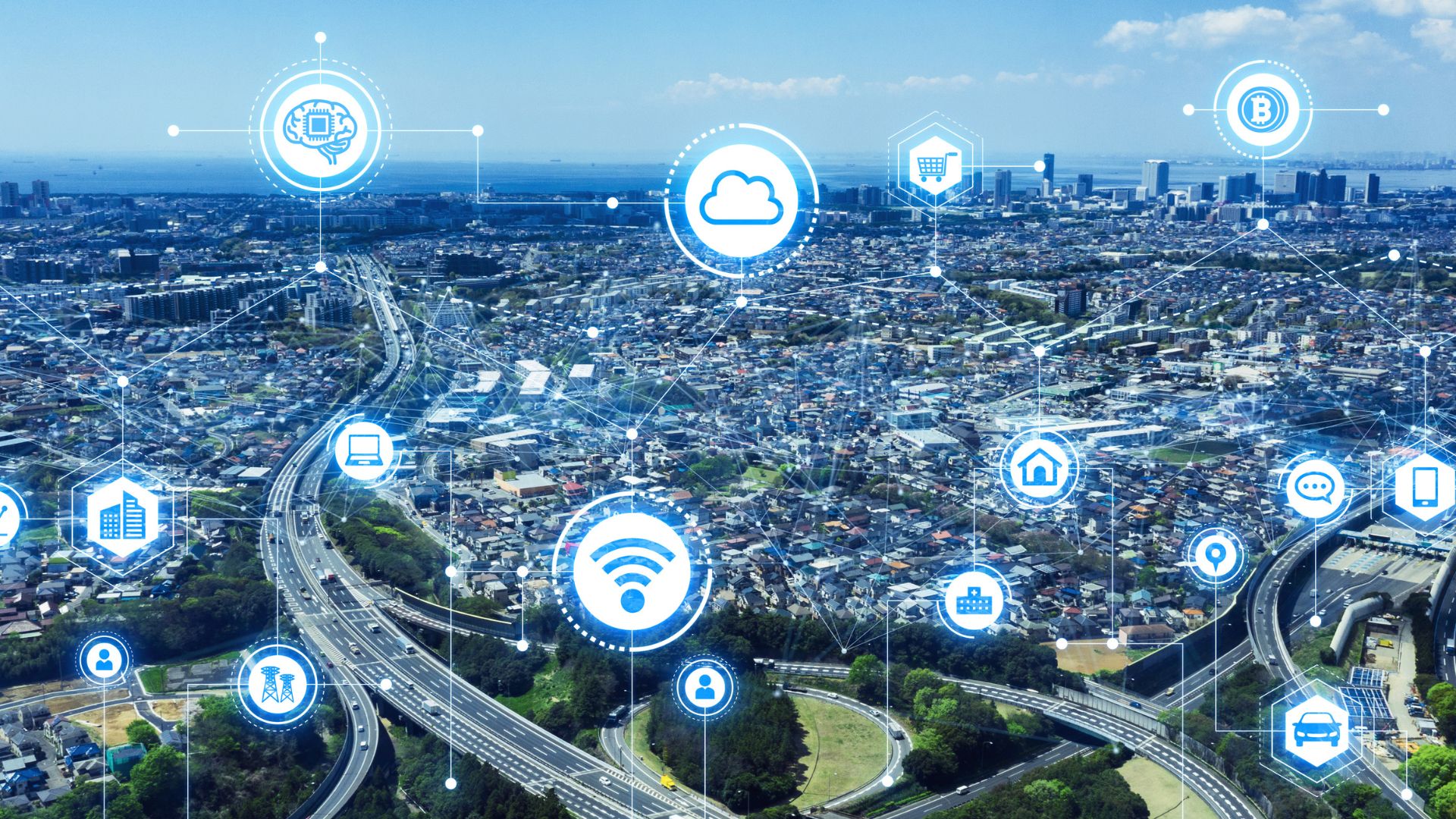
As urban populations continue to grow and cities become increasingly connected, the demand for efficient service delivery has never been greater. Smart cities around the world are embracing virtual queuing systems as a cornerstone of their digital transformation strategies, revolutionizing how citizens access public services and commercial offerings.
The Smart City Revolution
Smart cities represent the future of urban living, leveraging technology to create more efficient, sustainable, and livable environments. At the heart of this transformation is the need to streamline citizen interactions with government services, healthcare facilities, transportation systems, and commercial establishments.
Virtual queuing has emerged as a critical component of smart city infrastructure, addressing the fundamental challenge of managing citizen flow in an increasingly digital world. By eliminating physical queues and enabling remote service access, these systems are helping cities reduce congestion, improve resource allocation, and enhance citizen satisfaction.
Key Drivers of Virtual Queuing Adoption
Several factors are driving the rapid adoption of virtual queuing systems in smart cities worldwide:
Rapid Urbanization
With over 55% of the global population now living in urban areas, cities face unprecedented pressure on their service infrastructure. Virtual queuing helps manage this increased demand by optimizing service delivery and reducing physical bottlenecks.
Digital Transformation Initiatives
Governments worldwide are prioritizing digital transformation to improve service delivery. Virtual queuing systems align perfectly with these initiatives, providing a digital-first approach to citizen services while maintaining accessibility for all demographics.
Changing Citizen Expectations
Today's citizens expect seamless, on-demand services similar to what they experience in the private sector. Virtual queuing meets these expectations by offering convenience, transparency, and control over the service experience.
Global Implementation Examples
Cities across continents are leveraging virtual queuing to enhance urban service delivery:
Singapore: The Gold Standard
Singapore has implemented a comprehensive virtual queuing system across all government services, from healthcare to immigration. The SingPass system integrates with virtual queues, allowing citizens to join queues remotely, receive real-time updates, and minimize physical waiting time. The system processes over 100,000 transactions daily with a 95% citizen satisfaction rate.

Dubai: Smart Government Integration
Dubai's Smart Government initiative has integrated virtual queuing across 100+ government entities. The Dubai Now app provides citizens with a unified platform to access services, join virtual queues, and receive notifications. This integration has reduced government service wait times by 70% and saved citizens an estimated 2.5 million hours annually.
Barcelona: Citizen-Centric Approach
Barcelona's virtual queuing system focuses on citizen convenience, allowing residents to schedule appointments for municipal services, healthcare facilities, and public transportation through a single mobile application. The system has improved service accessibility, particularly for elderly and disabled citizens, while reducing administrative overhead by 30%.
Benefits for Smart Cities
The implementation of virtual queuing systems delivers significant advantages for smart cities:
Operational Efficiency
- 40-60% reduction in average service wait times
- 25-35% improvement in staff productivity
- 30-50% reduction in physical space requirements
- Real-time resource allocation based on demand patterns
Environmental Sustainability
- Reduced energy consumption in waiting areas
- Lower paper usage through digital ticketing
- Decreased traffic congestion from reduced physical visits
- Optimized facility utilization
Inclusive Service Delivery
- Improved accessibility for elderly and disabled citizens
- Multilingual support for diverse populations
- Mobile-first design for digital inclusion
- 24/7 service availability regardless of location
Technology Integration in Smart Cities
Virtual queuing systems in smart cities leverage advanced technologies to deliver seamless experiences:
IoT and Sensor Networks
Internet of Things (IoT) sensors monitor facility occupancy, traffic flow, and environmental conditions, enabling dynamic queue management and predictive service optimization.
Artificial Intelligence
AI algorithms analyze historical data and real-time conditions to predict demand patterns, optimize staff allocation, and provide personalized service recommendations.
Mobile-First Architecture
Mobile applications serve as the primary interface for citizens, providing location-based services, real-time notifications, and seamless integration with other smart city systems.
Overcoming Implementation Challenges
While the benefits are clear, cities face several challenges when implementing virtual queuing systems:
Digital Divide
Ensuring accessibility for citizens without smartphones or internet access requires hybrid solutions that combine digital and physical touchpoints, such as self-service kiosks and assisted service options.
System Integration
Integrating virtual queuing with existing legacy systems and across multiple government departments requires robust APIs, standardized protocols, and careful change management.
Privacy and Security
Protecting citizen data while providing personalized services requires implementing comprehensive security measures, transparent data policies, and compliance with privacy regulations.
The Future of Virtual Queuing in Smart Cities
The evolution of virtual queuing systems will continue to shape smart city development:
Predictive Service Delivery
Future systems will anticipate citizen needs before they arise, proactively offering services based on life events, historical patterns, and real-time conditions.
Autonomous Service Centers
Integration with robotics and automation will enable fully autonomous service centers, where citizens can complete complex transactions without human intervention.
Metaverse Integration
Virtual and augmented reality will create immersive service experiences, allowing citizens to interact with government services in virtual environments that replicate physical offices.
Conclusion: Building the Cities of Tomorrow
Virtual queuing has evolved from a simple convenience feature to a fundamental component of smart city infrastructure. As cities continue to grow and digital transformation accelerates, these systems will play an increasingly vital role in shaping urban service delivery and citizen experiences.
The global boom in virtual queuing adoption reflects a broader shift toward more efficient, sustainable, and citizen-centric urban environments. Cities that embrace this technology today are building the foundation for the smart, connected communities of tomorrow.